
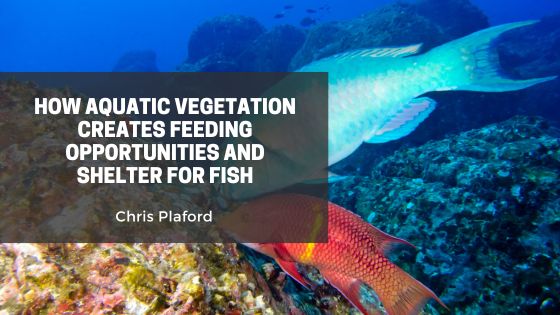
Aquatic vegetation plays an important role in freshwater and coastal ecosystems by providing food, shelter, and breeding areas for many fish species. From submerged grasses to floating plants and dense shoreline growth, vegetation creates complex habitats that influence where fish gather and how they behave. For anglers, understanding these natural environments can provide valuable insight into fish location, feeding patterns, and seasonal movement.
Aquatic Plants Support Underwater Food Chains
Vegetation forms the foundation of many aquatic food webs. Plants provide surfaces where algae, insect larvae, snails, and other small organisms can grow and thrive. These creatures become food for smaller fish, which may then attract larger predatory species.
Areas with healthy plant growth can therefore support a concentration of feeding opportunities. Rather than searching randomly across open water, anglers can examine vegetation beds for signs of baitfish, insect activity, or predators hunting nearby.
The type and density of vegetation can influence which species are present. Some fish prefer sparse plant growth that allows easy movement, while others use thicker vegetation to remain concealed while feeding.
Vegetation Provides Essential Shelter
Aquatic plants offer protection from predators and create places where fish can rest or remain concealed. Small fish often use dense vegetation to reduce their exposure to larger predators, while predatory fish may position themselves along plant edges to ambush passing prey.
This relationship creates productive fishing areas around the boundaries of weed beds, submerged grasses, and other underwater growth. Fish may move between the cover and nearby open water depending on feeding opportunities, light conditions, and surrounding activity.
Vegetation can also reduce the effects of water movement in certain locations, creating relatively sheltered spaces where fish can conserve energy.
How Vegetation Influences Fish Location
Not every area with aquatic plants attracts the same number or type of fish. Water depth, plant density, sunlight, oxygen levels, and nearby underwater structure all influence habitat quality.
Healthy vegetation with access to deeper water may provide particularly useful habitat because fish can move between shelter and feeding areas without traveling far. Channels cutting through plant beds, openings within dense growth, and transitions between vegetation and open water can create natural movement routes.
Anglers can look for these changes rather than focusing exclusively on the thickest plant growth. The edges and openings may offer better access for both fish and fishing equipment.
Seasonal Changes in Aquatic Vegetation
Aquatic vegetation changes throughout the year. During warmer months, many plants grow rapidly, creating additional cover and supporting increased activity among insects and other small organisms.
As temperatures decline, some plants lose their leaves or die back, changing the availability of shelter and feeding habitat. Fish may respond by moving toward remaining vegetation, deeper water, or alternative structures such as submerged timber and rocky areas.
Observing these seasonal changes helps anglers understand why productive fishing locations may shift over time.
Choosing Fishing Techniques Around Plant Growth
Vegetation can provide excellent fishing opportunities, but dense plants may also create challenges. Hooks can collect weeds, and fish may become difficult to retrieve from thick cover.
Anglers can adapt by selecting lures and tackle suited to the environment. Weedless lures may work well in dense vegetation, while lighter presentations can be effective along clearer edges. Observing openings, plant boundaries, and nearby depth changes can help determine where to cast.
Understanding Vegetation for Better Fishing
Aquatic vegetation is much more than underwater scenery. It supports food chains, provides shelter, and influences fish movement throughout the year. By learning how plants shape aquatic habitats, anglers can identify promising fishing locations and better understand the natural behavior of the species they pursue. Recognizing the relationship between vegetation and fish activity can make time on the water more productive and rewarding.