
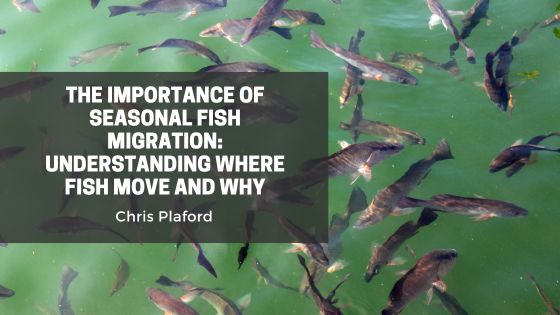
Many anglers assume that once they locate fish, those same areas will remain productive throughout the year. In reality, fish are constantly moving in response to changing environmental conditions. Seasonal migration is a natural behavior that helps fish find food, suitable water temperatures, spawning grounds, and safe habitats. Understanding these movements allows anglers to anticipate where fish are likely to be rather than relying on the same locations every trip.
Learning the reasons behind seasonal migration transforms fishing from trial and error into a more strategic and rewarding experience.
Spring: Moving Toward Spawning Areas
As water temperatures begin to rise after winter, many fish species migrate toward shallow water to prepare for spawning. Lakes, rivers, and reservoirs often see increased fish activity near shorelines, protected coves, weed beds, and gravel bottoms where spawning conditions are favorable.
During this time, fish become more active as they feed to build energy before reproduction. Anglers who recognize these seasonal movements can focus on shallow structures and transition zones where fish gather. Understanding local spawning habits also encourages responsible fishing practices that help protect fish populations during this important stage of their life cycle.
Summer: Following Comfortable Water Conditions
As temperatures continue to increase, fish often leave shallow spawning areas in search of cooler, more stable environments. In deeper lakes, many species move toward drop offs, underwater ledges, or areas with greater oxygen levels. Rivers may see fish gathering near deeper pools, shaded banks, or sections with stronger current.
Food availability also influences summer migration. Baitfish frequently move toward areas with suitable temperatures and abundant food, and larger predatory fish naturally follow. Successful anglers often track these food sources rather than searching randomly across open water.
Autumn: Feeding Before Winter
Fall marks one of the most active feeding periods of the year. As water temperatures cool, fish begin increasing their food intake to prepare for the reduced activity of winter. Many species migrate back toward shallower water where baitfish become concentrated.
Changing vegetation, falling water temperatures, and shifting daylight hours all influence these movements. Fish often patrol points, creek mouths, weed edges, and rocky shorelines where food is plentiful. This seasonal migration creates excellent opportunities for anglers who understand where feeding zones are likely to develop.
Winter: Conserving Energy
During winter, fish migration slows considerably. Cold water reduces metabolism, causing fish to conserve energy by remaining in deeper, more stable environments. Rather than actively searching for food, many species wait for feeding opportunities to come to them.
Although fish become less active, they continue to make smaller movements in response to weather changes, oxygen levels, and available food. Anglers who focus on deeper water and present lures slowly often find greater success during colder months.
Environmental Factors That Guide Migration
Seasonal migration is influenced by more than temperature alone. Water clarity, oxygen concentration, daylight length, current strength, and food availability all play important roles in determining where fish move throughout the year.
Weather events such as heavy rain or prolonged drought can also alter migration patterns by changing water levels and habitat conditions. Observing these environmental cues helps anglers predict fish behavior with greater accuracy.
Using Seasonal Migration to Improve Success
Understanding seasonal fish migration helps anglers think beyond individual fishing spots. Instead of asking where fish were caught last week, experienced anglers consider where fish need to be based on seasonal conditions.
By recognizing how fish respond to changing environments throughout the year, anglers can adapt their techniques, select more productive locations, and enjoy greater consistency on the water. Seasonal migration is one of nature’s most reliable patterns, and learning to follow it leads to a deeper understanding of both fishing and aquatic ecosystems.